Table of Contents
ToggleNobody wants to toss out good food, but storing cooked chicken safely means understanding the rules that keep your family healthy. Whether you’re meal prepping for the week, managing leftovers from dinner, or storing rotisserie chicken from the grocery store, knowing exactly how long cooked chicken lasts in the refrigerator is essential. The answer isn’t as simple as a one-size-fits-all timeline, temperature, storage method, and preparation all play a role. This guide breaks down the facts about cooked chicken storage so you can eat with confidence and cut down on waste.
Key Takeaways
- Cooked chicken can safely stay in the refrigerator for 3 to 4 days when stored at 40°F or colder, according to USDA and FDA guidelines.
- Refrigerate cooked chicken within 2 hours of cooking (or 1 hour if the room temperature exceeds 90°F) to prevent rapid bacterial multiplication.
- Use shallow, airtight containers and store cooked chicken on the second or third shelf above raw meat to maintain freshness and prevent cross-contamination.
- Discard cooked chicken that smells sour, looks discolored or slimy, or has been left out of refrigeration for more than 2 hours total.
- Freeze cooked chicken in properly labeled, airtight containers or freezer bags for longer storage, and thaw it slowly in the refrigerator rather than at room temperature.
- Label all storage containers with the date to track how long cooked chicken has been refrigerated and avoid guesswork about freshness.
Standard Refrigerator Storage Time for Cooked Chicken
Cooked chicken stored in a standard refrigerator (set to 40°F or colder) stays safe to eat for 3 to 4 days. This timeline applies whether your chicken is plain, seasoned, part of a casserole, or shredded. The U.S. Department of Agriculture (USDA) and the Food and Drug Administration (FDA) base this window on the growth rate of harmful bacteria at refrigeration temperatures.
The key word here is “stored properly”, simply putting cooked chicken in the fridge without attention to packaging or placement won’t cut it. A chicken breast tossed onto a shelf or left in a takeout container without a lid will spoil faster and pose a foodborne illness risk. Temperature consistency matters too. Every time you open the fridge door, warm air enters and the internal temperature rises slightly. If your refrigerator door is opened frequently or the temperature creeps above 40°F for any stretch, the safe window shrinks.
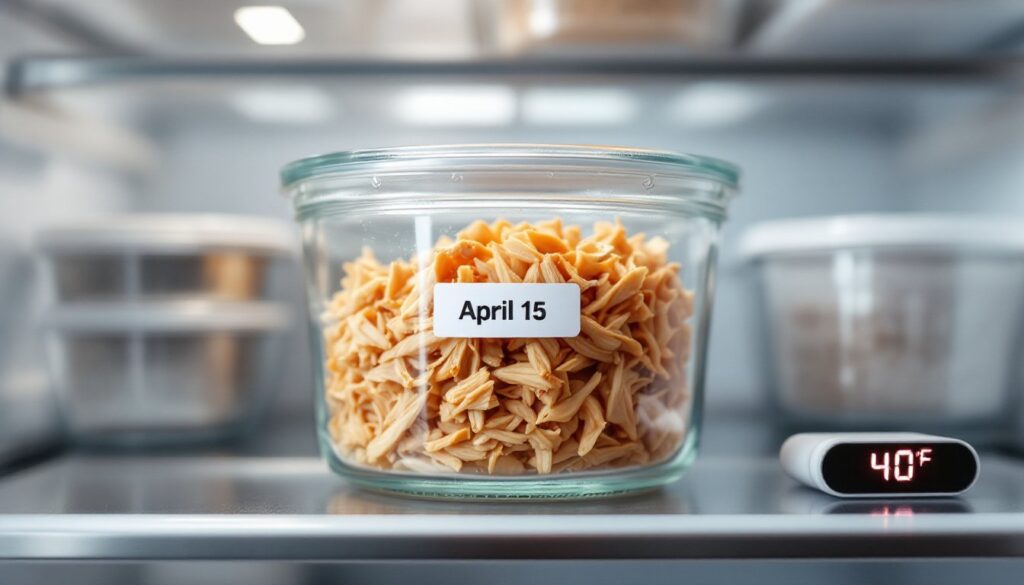
If you’ve left cooked chicken on the counter for more than 2 hours (or 1 hour if the room temperature is above 90°F), don’t refrigerate it, throw it out. Bacteria multiply rapidly at room temperature, and refrigeration won’t stop what’s already taken hold. Mark your storage container with the date so you know exactly when the chicken went in. A simple piece of tape and a marker takes 10 seconds and prevents guesswork.
How to Properly Store Cooked Chicken for Maximum Freshness
Proper storage isn’t complicated, but skipping the steps will shorten the lifespan of your cooked chicken significantly. Start by letting hot chicken cool to room temperature before refrigerating, placing steaming-hot chicken straight into the fridge raises the internal temperature and can cause condensation that promotes bacterial growth. Give it 1 to 2 hours on the counter in a clean area, away from pets and cross-contamination hazards.
Once cooled, refrigerate cooked chicken on a shelf above raw meat. This prevents raw poultry drippings from contaminating ready-to-eat food. Store it on the second or third shelf from the top, not in the door where temperature fluctuates. The coldest zone is the back of a lower shelf, but keeping it visible and accessible encourages you to use it before it spoils.
Keep your refrigerator at the right temperature. A simple refrigerator thermometer (they cost a few dollars) sitting on a shelf shows you the actual temperature. Many home fridges drift warmer than their dial suggests. If yours is consistently above 40°F, clean the coils at the back and check that vents aren’t blocked. Call a repair technician if it won’t cool down, a malfunctioning fridge is a food safety liability.
Container and Packaging Best Practices
The container you use directly affects how long your chicken stays fresh. Shallow, airtight containers are ideal, shallow because they allow the interior to cool quickly and evenly, airtight because they prevent odor transfer and slow bacterial growth.
Avoid storing chicken in the original takeout container from a restaurant or rotisserie chicken package unless you’ll eat it within 24 hours. Those containers aren’t designed for extended refrigeration. Instead, transfer to a dedicated food storage container with a tight-fitting lid. Glass containers with locking lids are durable and don’t absorb odors the way plastic does. If you use plastic, expect it to stain and retain chicken smell over time, not a deal-breaker, just reality.
For shredded or chopped chicken, divide it into meal-sized portions before storing. A half-pound in one container cools faster than a massive pile, and you only thaw what you need if freezing later. Leave about ½ inch of headspace at the top of the container: cold air needs to circulate, and chicken will shift slightly as it settles.
Wrap individual pieces (breasts, thighs, drumsticks) in plastic wrap or parchment paper before placing in a container. This reduces direct contact with air and gives you flexibility, you can pull out one or two pieces without disturbing the rest. If you’re storing a whole roasted chicken, wrap the whole bird tightly in plastic wrap or transfer to a large container. Breaking it down into pieces right away takes 5 minutes and saves space.
Signs Your Cooked Chicken Has Gone Bad
Trust your senses, but know what to look for. Fresh cooked chicken should smell mild and poultry-like. If it smells sour, sulfurous, or “off” in any way, don’t eat it, throw it out. Smell is often the first sign that bacteria have multiplied beyond safe levels.
Look at the color. Cooked chicken that’s gray, brown, or darker than when you refrigerated it has likely developed bacterial colonies or mold. Fresh cooked chicken stays its original color, white, tan, or golden depending on the cut and seasoning. Discoloration in patches is a red flag, as is any visible mold or slime coating.
Feel the texture. Run your finger across the surface (wash your hands first). Cooked chicken should feel dry or slightly moist but never slimy. Slime indicates bacterial biofilm, and that chicken is no longer safe.
Don’t taste it to check. A tiny taste of spoiled chicken can make you sick: foodborne pathogens like Salmonella and Listeria don’t always affect flavor noticeably before they cause illness. If you have any doubt, smell, appearance, or it’s been longer than 4 days, discard it. One meal isn’t worth a bout of food poisoning.
One more rule: if chicken has been left out of the refrigerator for more than 2 hours total (including time in transit), consider it unsafe even if it looks and smells okay. Bacteria like Staphylococcus aureus produce toxins that survive reheating.
Freezing Cooked Chicken for Longer-Term Storage
If you won’t eat cooked chicken within 3 to 4 days, freeze it. Properly frozen cooked chicken stays safe indefinitely, though quality (texture and taste) begins to decline after about 3 months.
Freezing works best if you do it as soon as the chicken has cooled and been stored in the fridge for a day or two, don’t wait until day 4 hoping to extend the timeline. The sooner you freeze, the better the result. Wrap chicken pieces individually in plastic wrap or parchment, then place them in a freezer-safe container or heavy-duty freezer bag. Remove as much air as possible from freezer bags: a vacuum sealer works great, but rolling the bag and sealing it tightly by hand is free and effective.
Label everything with the contents and the date. Chicken frozen on April 15th looks the same on April 20th or May 15th, the label is your only guide. Use a permanent marker on the freezer bag or a label maker if you’re organized that way.
When thawing, do it slowly in the refrigerator, not on the counter. A chicken breast thaws overnight in the fridge: a whole bird takes 24 to 48 hours depending on size. If you’re short on time, seal the chicken in a waterproof bag and submerge it in cold water, changing the water every 30 minutes. Never thaw at room temperature, that’s an open invitation for bacterial growth.
Once thawed, use the cooked chicken within 1 to 2 days. Don’t refreeze it after thawing. If you thawed more than you need, eat what you can and discard the rest. You can reheat frozen cooked chicken directly (add a few minutes to cooking time) or thaw it first, both methods are safe as long as you reach an internal temperature of 165°F if you’re warming it.
Conclusion
Storing cooked chicken safely boils down to three things: get it refrigerated within 2 hours, keep your fridge at 40°F, and use it within 3 to 4 days. When in doubt, freeze it. A little organization, proper containers, clear labeling, and regular fridge checks, keeps you eating well while avoiding waste and foodborne illness. Your kitchen will run smoother and your family will eat safer.