Table of Contents
ToggleHouston’s housing market is shifting, and tiny homes are leading the way. Whether you’re drawn to lower costs, simpler maintenance, or a more sustainable lifestyle, tiny homes offer real solutions in a city where traditional real estate prices keep climbing. This guide walks you through what to expect when buying a tiny home in Houston right now, from understanding the market and evaluating properties to financing and closing the deal. We’ll cover what actually works versus what sounds good on paper.
Key Takeaways
- Tiny homes for sale Houston range from $65,000 to $150,000 and sell 15–25% faster than traditional houses due to lower entry prices and strong buyer demand.
- Layout and space optimization matter more than square footage—prioritize open-concept designs, vertical storage, and adequate ceiling height (6+ feet ideal) to maximize usable living space.
- Most Houston neighborhoods allow tiny homes, but verify HOA restrictions and deed restrictions before making an offer, as some communities explicitly ban properties under 1,500 square feet.
- Down payment for a typical tiny home purchase ranges from 10–20%, totaling roughly $9,000–$18,750 on a median Houston property, with FHA and cash options available as alternatives to traditional mortgages.
- Appraisal challenges are common with tiny homes due to limited comparable sales data—have a lender experienced with smaller properties and plan to negotiate if valuations come in low.
- Secure preapproval before making an offer, conduct thorough home inspections even on new builds, and arrange specialized insurance quotes early, as tiny homes face more stringent lender scrutiny than traditional properties.
Why Houston Is Becoming a Tiny Home Haven
Houston’s appeal for tiny home buyers comes down to several practical factors. The city’s sprawl and affordable land historically kept traditional housing relatively cheap, but that’s changed. Younger buyers, retirees, and downsizers are now looking at tiny homes as a genuine alternative, not just a trend.
The Texas climate actually favors smaller spaces, efficient air conditioning and insulation matter more in a 400-square-foot home than a 2,000-square-foot one. Houston’s diverse neighborhoods also means tiny homes fit into existing communities without standing out. You’re not isolated in a rural development: you’re potentially walking distance to shops, restaurants, and transit in established areas.
Cost per square foot in tiny homes often runs 30–40% lower than traditional homes, and property taxes scale accordingly. Maintenance is straightforward: less roof to repair, fewer systems to replace, lower utility bills year-round. For Houston’s humid summers, that efficiency translates to real savings.
The Current Tiny Home Market in Houston
As of 2026, Houston’s tiny home inventory sits at roughly 150–200 active listings, a significant jump from five years ago. Prices typically range from $65,000 to $150,000, depending on square footage (200–600 sq. ft.), location, and condition. Some listings focus on established neighborhoods like East End or Montrose: others sit on the outskirts near Conroe or Pearland.
Market velocity is strong. Tiny homes sell 15–25% faster than traditional houses in Houston’s current climate, mainly because the entry price attracts multiple offers. That said, not all tiny homes are created equal. A 240-square-foot Houston tiny house lists for $65K according to recent market data, but condition and location determine whether that’s a bargain or a red flag.
Inventory includes manufactured tiny homes (built off-site and delivered), custom-built on foundations, and converted structures. Financing availability has improved: more lenders now offer loans under $100,000, which was rare just three years ago. The catch: expect stricter appraisal standards and potentially higher interest rates than traditional mortgages on tighter margins.
What to Look For When Evaluating a Tiny Home
Layout and Space Optimization
When you walk into a tiny home, layout matters more than square footage. A poorly designed 500-square-foot space feels cramped: a smart 350-square-footer flows well. Look for open-concept living areas with minimal hallways, wasted corridor space compounds the small footprint problem.
Vertical storage is essential. Built-in shelving, overhead cabinets, and lofted sleeping areas should be the standard, not afterthoughts. Check ceiling height in lofts: 5 feet is bare minimum, 5.5 feet is livable, 6+ feet is ideal. Crawl spaces and “dead zones” where you can’t stand fully reduce usable living space significantly.
Storage closets are non-negotiable. Examine how everyday items (tools, seasonal gear, pantry overflow) are handled. Open shelving looks clean in photos but doesn’t work long-term. Dedicated cabinet space behind doors keeps clutter invisible.
Windows and natural light affect how spacious a tiny home feels. South-facing windows in Houston require good shade solutions (awnings, exterior shading, or heat-reflective film), but natural light is worth the cooling cost trade-off. Skylights in bathrooms and kitchens add height perception without losing privacy.
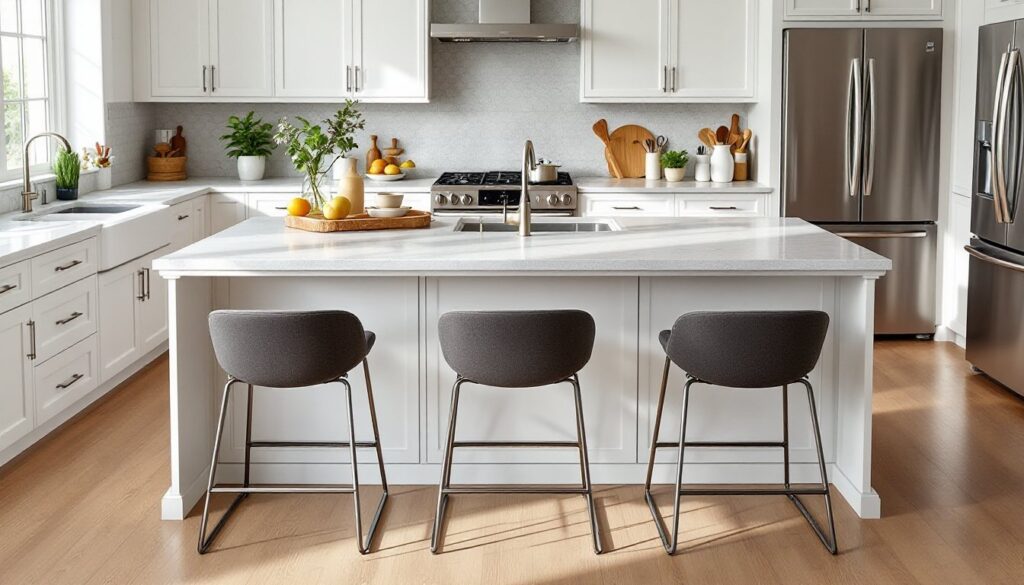
Functionality of built-ins matters as much as aesthetics. Can the kitchen island double as dining and storage? Does the loft bedroom have headroom for sitting up? Test appliance doors to ensure they don’t block walkways when open, a real problem in tight kitchens.
Measure everything. Bring a tape measure and notebook. Pacing off rooms gives a false sense: actual dimensions reveal whether furniture you own will fit. Check doorway widths: moving a bed frame into a loft becomes impossible if the opening is under 30 inches.
Location and Community Considerations
Houston’s geography and zoning laws directly affect tiny home viability. Most established neighborhoods allow tiny homes, but older single-family residential areas sometimes have minimum square footage restrictions (check with the city’s planning department before making an offer).
Rent-restricted HOAs are a real issue. Some communities explicitly ban homes under 1,500 square feet. This isn’t a dealbreaker if you’re buying unincorporated land, but within city limits, verify HOA rules and deed restrictions before proceeding. A cheap property in a restrictive HOA might be unsellable later.
Proximity to employment, schools, and services should match your lifestyle. Tiny living works best when you’re not spending hours commuting: you want walkable access to groceries, parks, and transit. The Montrose area, East End, and South Bellaire have better walkability than suburban outskirts.
Neighborhood stability matters. Is the area gentrifying, declining, or stable? A tiny home in an up-and-coming area could gain value: one in declining neighborhoods carries higher risk. Talk to neighbors, check crime statistics, and look at 5-year appreciation trends before buying.
Utilities and infrastructure vary. Confirm the property has reliable water pressure, adequate sewer capacity, and electrical service rated for modern use (200-amp service minimum). In rural areas, well water and septic systems add complexity and maintenance costs.
Financing and Down Payment Options for Tiny Homes
Traditional mortgage lenders treat tiny homes cautiously. Loans under $100,000 are harder to finance than homes in the $150,000–$300,000 range, where lending infrastructure is most streamlined. Your credit score becomes more important when the loan amount is smaller: lenders scrutinize marginal borrowers more closely.
Down payment expectations: most lenders want 10–20% down, same as traditional mortgages. On a $75,000 tiny home, that’s $7,500–$15,000. Closing costs typically run 2–5% of the purchase price, another $1,500–$3,750. Total cash needed: roughly $9,000–$18,750 for a median Houston tiny home.
Personal loans and construction financing offer alternatives if traditional mortgages fall through. Personal loans carry higher interest rates (8–15%) but approve faster and require less documentation. If you’re building or extensively renovating, construction loans bridge the gap until the final product can be appraised.
Cash purchases are common in the tiny home market. If you can buy outright, you avoid lender skepticism, close in days, and own free and clear. Even a partial cash down payment (30–40%) strengthens your offer against other buyers.
FHA loans apply to tiny homes if they meet size and safety standards. Down payment strategies vary, but FHA’s 3.5% minimum down can work on approved properties. VA loans (for eligible veterans) often have competitive rates on smaller purchase prices.
Inspection costs ($300–$500) and appraisal fees ($400–$600) don’t change based on home size, so percentage-wise they’re higher. Budget accordingly.
Making Your Tiny Home Move in Houston
Once you’ve found the right property, move fast. Tiny home listings typically attract multiple offers within a week. Get preapproved for a mortgage (or arrange financing) before making an offer. Sellers see preapproval letters seriously: it proves you’re a credible buyer, not a casual inquiry.
Make your offer strong: earnest money deposit of 2–3% signals genuine intent. In competitive situations, waiving contingencies or offering a quick close wins deals. If the property is move-in ready, you might close in 21–30 days. That speed appeals to sellers and streamlines your timeline.
Home inspection is non-negotiable, even on new tiny homes. Builders are human: mistakes happen. Have a licensed inspector evaluate the foundation, roof, plumbing, electrical, and HVAC. On manufactured homes, verify the frame is registered and clean with no history of liens or damage.
Appraisal can be a sticking point. Some lenders struggle to value tiny homes because comparable sales data is thin. If the appraisal comes in low, negotiate with the seller, increase your down payment, or consider a different lender with more tiny home experience. Don’t ignore this red flag: it signals resale difficulty later.
Title and deed review matter. Confirm there are no easements, liens, or deed restrictions that block your plans. A property attorney ($200–$500) catches problems that DIY closing paperwork misses. In Texas, title insurance is standard: factor in another $500–$1,000 for the policy.
Utility transfer, address changes, and insurance setup should happen immediately after closing. Tiny homes can be harder to insure than traditional homes: get quotes from multiple insurers (some specialize in non-standard properties). Don’t wait until move-in day to discover your preferred insurer won’t cover a manufactured home.