Table of Contents
TogglePizza is one of those convenient leftovers that seems like it should last forever in the fridge, but it doesn’t. Whether you’ve got two slices left from Friday night or a whole pie you’re saving for later, knowing how long pizza stays fresh is the difference between enjoying a great meal and tossing out spoiled food. Storage method matters just as much as time, and a few smart moves upfront can keep your pizza safe and tasty for days. This guide breaks down exactly how long refrigerated pizza lasts, how to store it properly, and when it’s time to let it go.
Key Takeaways
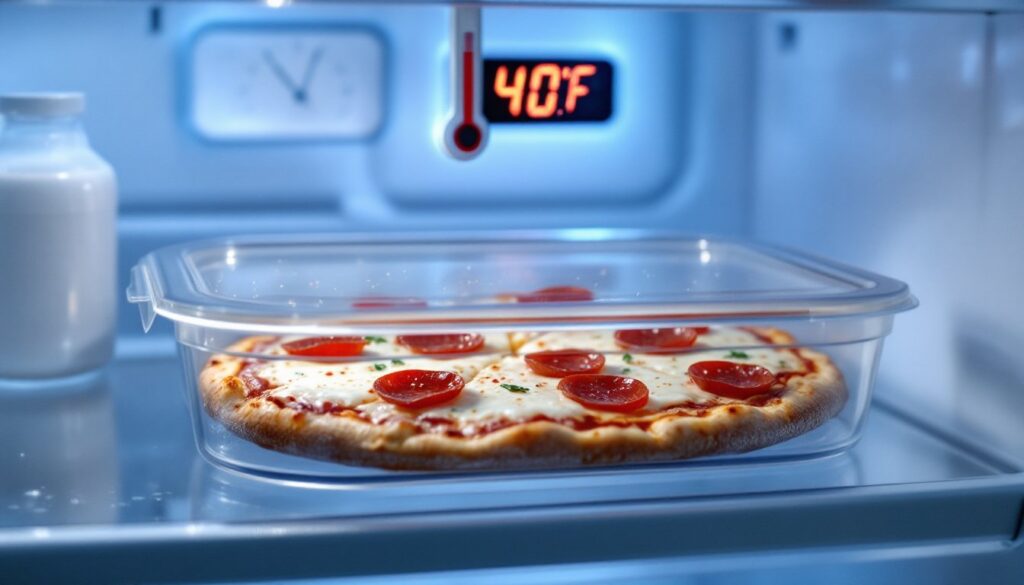
- Pizza stays fresh in the refrigerator for three to four days when stored correctly in an airtight container at 40°F or below.
- Pizza left at room temperature for more than two hours should be discarded; reduce this to one hour in temperatures above 90°F to prevent bacterial growth.
- Airtight glass or rigid plastic containers are the best storage method, keeping pizza from drying out and preventing odor absorption from other fridge items.
- Before eating refrigerated pizza, check for mold, discoloration, sour smell, or slimy texture—any of these signs indicate the pizza has spoiled and should be thrown away.
- Freezing pizza in individual slices wrapped tightly extends its life to two to three months, making it ideal for long-term storage of leftovers.
- Cool pizza to room temperature before refrigerating and store it on an interior shelf rather than the door to maintain consistent temperature and maximum freshness.
Understanding Pizza Shelf Life In The Fridge
Pizza typically stays fresh in the refrigerator for three to four days when stored correctly. This timeline assumes the pizza was placed in the fridge within two hours of baking or delivery, the critical window before harmful bacteria begin to multiply at room temperature.
The “two-hour rule” is crucial. Pizza left sitting on the counter longer than that should go straight to the trash, regardless of how good it looks. If your kitchen is above 90°F (like during summer), cut that window down to one hour.
Several factors shorten this timeline. Pizza heavy with meat toppings, especially cured varieties like pepperoni or sausage, may spoil faster because of their fat content. Fresh vegetables, thin crusts, and high moisture content also affect longevity. A thick, cheese-only Sicilian slice will typically outlast a delicate white pizza with burrata by a day or so.
Temperature consistency in your fridge matters too. Your refrigerator should stay at 40°F (4°C) or below. If your fridge runs warmer or the temperature fluctuates, opening the door frequently during hot weather, for instance, pizza deteriorates faster. A simple dial or digital thermometer ($5–15) lets you verify your fridge is actually at safe temperature.
Proper Storage Methods For Maximum Freshness
How you package pizza makes a measurable difference in how long it stays good. The goal is to minimize air exposure, prevent moisture loss, and avoid absorbing odors from other foods.
Airtight Containers Versus Foil And Plastic Wrap
Airtight containers (glass or rigid plastic) are the gold standard. They keep pizza from drying out, seal in freshness, and prevent it from absorbing odors from your fridge’s other contents. A shallow, flat container is ideal because stacking pizza creates pressure that makes the crust soggy. If you’re storing multiple slices, lay them flat in a single layer when possible. Containers cost $5–20 for a basic set, and they’re reusable for years.
Aluminum foil is a decent backup if you don’t have a container. Wrap slices individually or the whole box loosely, tight wrapping traps steam and makes the crust soggy. Foil alone doesn’t prevent the pizza from absorbing fridge odors, so if you’ve got pungent foods nearby (onions, fish), this method is riskier.
Plastic wrap works in a pinch but has drawbacks. It doesn’t seal as tightly as containers, allows more air contact, and can stick to the cheese annoyingly. It’s fine for a day, but beyond that, airtight containers outperform it.
A hybrid approach: place slices in an airtight container lined with a paper towel. The paper absorbs excess moisture without making things soggy, extending freshness by half a day in some cases.
Signs Your Refrigerated Pizza Has Gone Bad
Before you reheat that slice, trust your senses. If anything seems off, throw it out, the cost of one slice isn’t worth food poisoning.
Mold or discoloration is an instant no. Even a small spot means the whole pizza should go. Mold spores have spread throughout the food even if you can’t see them.
Sour or off smell is the next red flag. Fresh pizza has a recognizable, pleasant aroma. If it smells fermented, vinegary, or just “wrong,” bacteria have taken hold. Don’t taste it to confirm, that’s how foodborne illness starts.
Slimy texture on the crust or toppings indicates bacterial growth. The pizza may look fine visually, but that slime layer means it’s colonized. This often develops by day four, even with proper storage.
Crusts that are rock-hard or shattered when you touch them have usually lost moisture and are well past their prime. This is more of a quality issue than a safety one, but it’s your cue to reheat or toss.
When in doubt, use the four-day maximum as your rule. Even if a slice looks and smells fine on day five, don’t risk it. Pizza stores safely because its acidic tomato sauce and salt content slow bacterial growth, but that’s not a guarantee, it’s just a window.
Extending Pizza Freshness: Pro Tips And Best Practices
A few deliberate steps can keep your pizza fresher longer and make reheating more successful.
Cool it first before refrigerating. Hot pizza releases steam inside an airtight container, creating condensation that soaks the crust. Let it cool to room temperature (about 30 minutes) before sealing it away. This single step can add half a day to freshness.
Store pizza on a shelf, not the door. The refrigerator door experiences temperature swings every time it opens. Pizza stored there spoils faster. Keep it on an interior shelf, ideally the middle one where temperature is most stable.
Keep the original box if it’s clean. Many people assume they must transfer pizza to a container. The original box works fine if it’s in decent condition, it insulates and allows some air circulation without drying the pizza out too quickly. Just make sure the box has no grease stains that could harbor bacteria.
Separate toppings if you’re storing for the long haul. This is optional but useful. If you have a pizza loaded with juicy toppings (fresh arugula, sliced tomatoes, pesto), those will wilt and release moisture faster. Peel them off, store the plain pizza, and add fresh toppings when you reheat.
Wrap slices individually if storing longer than two days. This minimizes condensation transfer between slices. Even a basic plastic wrap per slice helps. Recent guidance on food storage confirms that individual wrapping extends freshness compared to bulk storage.
Freezing Pizza For Long-Term Storage
If you know you won’t eat pizza within three days, freeze it. Frozen pizza lasts two to three months safely, though quality declines after the first month.
Prep for freezing: Let pizza cool completely (cold pizza freezes evenly, and condensation won’t form ice crystals that degrade texture). Wrap individual slices tightly in plastic wrap, then place them in a freezer bag or container. Press out as much air as possible, freezer burn degrades quality and is why vacuum-sealing is worth considering.
Label with the date. Frozen pizza doesn’t spoil in the traditional sense, but ice crystals form over time, making the crust stale and the toppings stringy. After three months, it’s still safe but noticeably less appetizing.
Reheating from frozen: Don’t thaw pizza at room temperature (bacterial risk). Instead, reheat directly from frozen in a 350°F oven for 10–15 minutes until the cheese melts and the crust warms through. A microwave works but produces a rubbery crust. An oven or toaster oven is always better.
Freezing is your solution if you’ve overordered or made too much dough. It buys you months of flexibility instead of the four-day fridge window.
Conclusion
Pizza lasts three to four days in the fridge when stored properly, in an airtight container on a stable shelf at 40°F or below. Cool it first, check for signs of spoilage before eating, and don’t trust pizza left at room temperature for more than two hours. For longer storage, freeze individual slices and thaw in the oven. Simple prep now means better meals and less waste later.