Table of Contents
ToggleA kitchen remodel in Los Angeles doesn’t have to drain your bank account or turn your home into a construction zone for a year. Whether you’re updating dated finishes, improving functionality, or modernizing an older layout, LA’s diverse neighborhoods and thriving contractor community make now an ideal time to tackle this project. This guide walks you through the realities of kitchen remodeling in Southern California, from budgeting and material selection to permit requirements and finding reliable contractors, so you can make informed decisions and avoid costly missteps.
Key Takeaways
- A kitchen remodel in Los Angeles costs between $15,000 for modest updates and over $100,000 for high-end renovations, with labor and permit fees significantly higher than national averages.
- LA-specific design trends favor open layouts, mixed finishes (white cabinetry with matte-black hardware), and durable materials like quartz countertops and large-format tiles that won’t feel dated.
- Permits are required for structural changes, electrical work, plumbing, and gas line upgrades—skipping them risks fines, insurance denials, and problems when selling your home.
- Vet contractors thoroughly by checking the California Contractors State License Board, requesting kitchen-specific references, and getting itemized estimates from at least three firms before signing.
- Material quality matters most for longevity: solid wood or plywood cabinets, quality hardware, and proper countertop sealing protect your kitchen remodel investment for years to come.
- Clear communication, written contracts with itemized costs, and progressive payment terms (never 100% upfront) separate professional contractors from problem jobs in the Los Angeles remodeling market.
Understanding Your Kitchen Remodel Budget in Los Angeles
Kitchen remodels in Los Angeles range wildly in cost. A modest refresh, new countertops, cabinet refinishing, and updated hardware, might run $15,000–$30,000. A mid-range renovation with new cabinets, mid-grade appliances, and quality finishes typically sits between $50,000–$80,000. High-end remodels with custom cabinetry, premium appliances, and architectural features easily exceed $100,000.
LA-specific factors matter. Labor costs in Los Angeles are notably higher than national averages, skilled contractors charge premium rates for the region. Material delivery and specialty finishes also cost more. Building permits and plan review fees add $500–$2,000 depending on scope. If your kitchen sits in a historic district or older home, additional inspections or code-compliance work can push costs higher.
Start by identifying your priorities. Do you need structural changes, or is this cosmetic? Are you upgrading appliances? Relocating plumbing or electrical? Permit-requiring work (moving walls, upgrading gas lines, changing water pressure systems) automatically triggers higher costs and timelines.
Use cost estimators and contractor matching services to gather realistic quotes for your specific neighborhood and project scope. Don’t rush this step, three to five detailed estimates reveal patterns and help you spot underpriced or overpriced proposals.
Popular Kitchen Design Trends for LA Homes
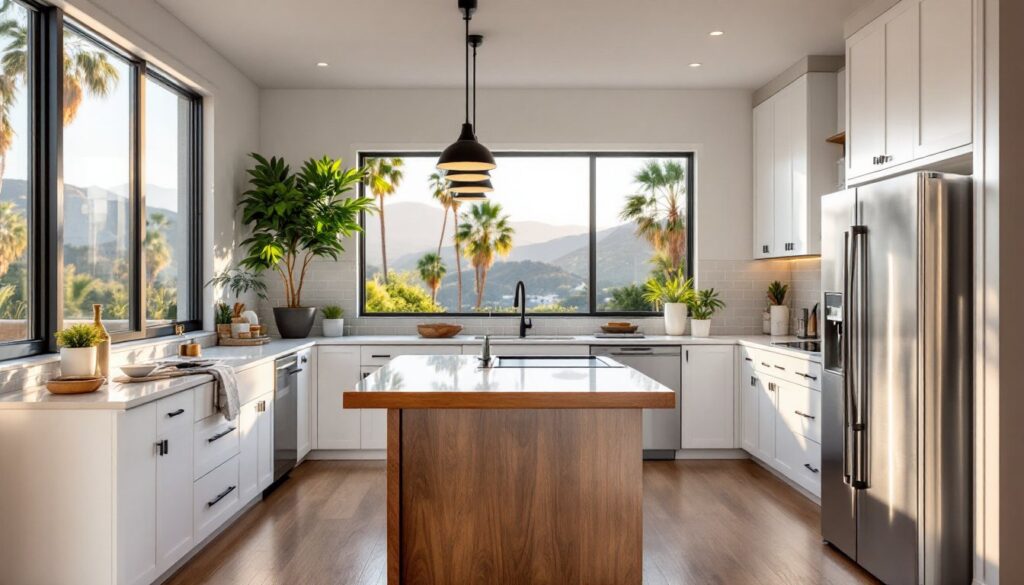
Los Angeles kitchens in 2026 lean toward open layouts, natural light, and mixed materials. Shaker-style or flat-panel cabinets in white, warm gray, or natural wood dominate, avoid trend-heavy colors unless you love them, because you’ll live with this for years. Quartz and large-format porcelain remain popular for countertops: they’re durable, low-maintenance, and work with any style.
Mixing finishes is having a major moment. Pairing stainless steel appliances with matte-black hardware, warm wood tones, and soft whites creates visual interest without screaming “trendy.” Backsplashes range from simple subway tile to larger ceramic or porcelain formats in neutral tones.
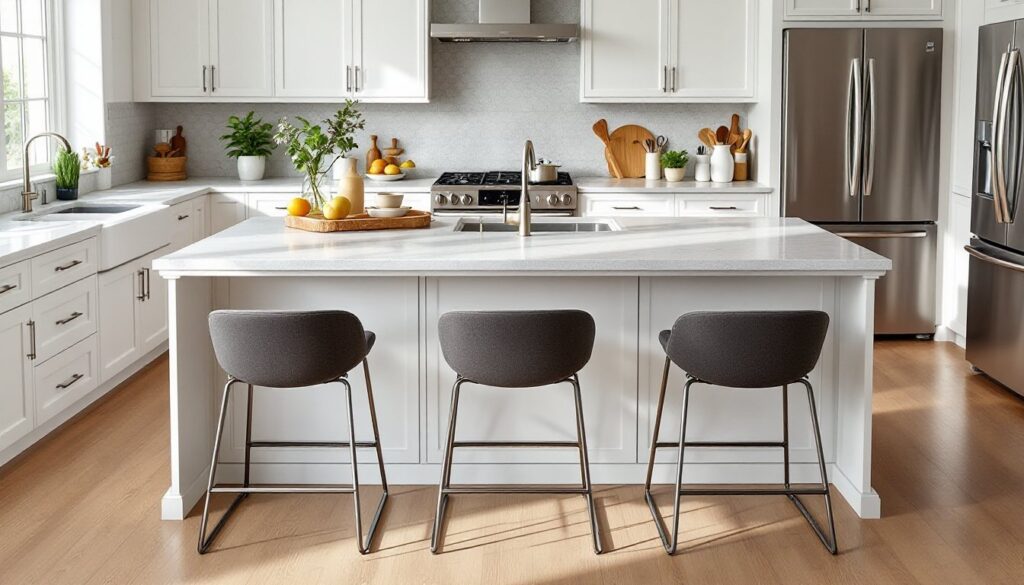
Island-focused layouts work well in Los Angeles homes where space permits. Waterfall-edge countertops, integrated seating, and open shelving above add function and style. Lighting matters, pendant lights above islands and under-cabinet LED strips combine task and ambient lighting.
For design inspiration tailored to real homes, Houzz showcases LA kitchens and lets you filter by style, material, and layout. You’ll see what works in similar-sized spaces and climate considerations specific to Southern California homes.
Choosing the Right Materials and Finishes
Material selection makes or breaks a remodel, both aesthetically and functionally. Cabinet construction matters more than veneer. Solid wood, plywood cores with veneer, or painted MDF all work: budget and longevity dictate your choice. Cheap particle board (used in some stock cabinets) swells and fails within years, especially in kitchens with humidity.
Countertops set the tone and take daily abuse. Quartz offers non-porous durability and minimal maintenance. Granite needs sealing every 1–3 years but ages beautifully. Laminate and solid surface materials work if budget is tight. Butcher block adds warmth but requires oil finishes and careful handling around water and heat.
Hardware (knobs and pulls) seems minor but anchors the entire look. Stainless, matte black, and brass are safe bets. Buy quality hardware, cheap handles crack and loosen within months. Backsplash tile size affects visual balance: smaller tiles feel busy: large-format tiles look contemporary. Grout color impacts maintenance: lighter grout shows stains: darker grout hides them but looks heavier.
Appliances deserve thought beyond stainless steel. Finish consistency matters, mixing stainless with black stainless reads awkward. French-door refrigerators, induction cooktops, and convection ovens represent current standard features. Energy Star ratings save money long-term, especially in LA’s mild climate where cooling demands aren’t extreme.
Design sourcebooks and curated product guides help narrow options by showing how materials perform in real kitchens over time.
Finding and Working With Contractors
A kitchen remodel lives or dies by contractor quality. Los Angeles has no shortage of remodeling firms, but vetting separates professionals from problem jobs. Start with referrals from friends, your realtor, or local designer contacts. Online reviews matter, check Google, Yelp, and Better Business Bureau, but read specifics. Generic five-star reviews and obvious fake negatives tell you little: detailed feedback about timeline, cleanliness, and communication reveals reality.
Request references specific to kitchen remodels (not just bathroom work). Call them. Ask about timeline accuracy, communication, cleanup, and how issues were resolved. Ask if they’d hire the same contractor again. Most homeowners answer honestly.
Get written, itemized estimates from three contractors minimum. Vague estimates (“$70,000 kitchen remodel”) hide problems. You need cabinet costs, countertop pricing, labor, permits, design fees, and contingencies broken out separately. If estimates vary wildly, ask why. A much lower quote often means corners cut or scope misunderstanding.
Redflags: cash-only deals, reluctance to get permits, no written contract, pressure to pay upfront, or licenses not on file with the California Contractors State License Board. Legitimate contractors carry licenses, general liability insurance, and workers’ compensation.
Vetting Local LA Contractors
Check the Contractors State License Board website to confirm active licenses and complaint history, this takes two minutes and protects you. Ask contractors about their warranty (labor, product defects, and finish guarantees). Reputable firms back their work with 1–2 year warranties. Clarify payment terms, typically deposits (25–50%), progress payments during work, and final payment upon completion. Never pay 100% upfront.
Communication style matters. Does your contractor explain decisions? Return calls promptly? Provide updates? Project timelines slip, weather, supply delays, permit delays, but transparency and honest communication prevent frustration and disputes.
Permits and Regulations in Los Angeles
Los Angeles requires permits for most kitchen remodels, period. Paint and hardware don’t need permits: new electrical, plumbing, gas lines, structural changes, or cabinet work involving load-bearing walls do. Skipping permits saves weeks and thousands initially but exposes you to fines, insurance claim denials, and problems selling your home later.
Permit timelines in LA vary. Simple kitchen remodels (cabinets, counters, appliances) might take 4–8 weeks from application to approval. Complex work involving structural changes or mechanical upgrades takes 2–3 months. Plan accordingly.
LA Building and Safety Department requires plan review by a licensed architect or engineer for certain remodels. Costs run $300–$1,500 depending on complexity. Your contractor typically handles permit applications, it’s part of the job. You pay the permit fees (to the city) plus plan review costs.
Electrical and plumbing work must meet California Building Standards Code (Title 24). This means energy-efficient appliances, proper ventilation, and updated outlet placement (no outlets more than 4 feet apart on countertops). GFCI protection on countertop outlets is non-negotiable.
Gas appliance upgrades require updates to current code, older kitchens with legacy gas lines may need pressure testing and safety shutoff valve installation. Your contractor and licensed plumber handle this. Permits ensure inspectors verify all work meets code, protecting your home’s safety and resale value.
Conclusion
A kitchen remodel in Los Angeles is achievable with clear priorities, realistic budgeting, and professional contractors. Take time on the front end, measure twice, vet contractors thoroughly, and get permits. The difference between a smooth project and a nightmare often comes down to preparation, not luck. Start gathering quotes and design ideas now: by 2026 you’ll be cooking in a kitchen that works and looks exactly how you want it.