Table of Contents
ToggleFinding the right home for retirement ideas starts with understanding what matters most during this new chapter of life. Comfort, safety, and budget all play key roles in the decision. Whether someone plans to downsize, modify their current home, or explore new housing options, the choices available today offer something for everyone. This guide covers practical strategies to help retirees create a living space that supports their lifestyle and financial goals.
Key Takeaways
- Downsizing is one of the most effective home for retirement ideas, reducing maintenance costs while freeing up equity for travel, hobbies, or healthcare.
- Aging-in-place modifications like grab bars, walk-in showers, and wider doorways transform existing homes into safer, more accessible spaces.
- Independent living communities, CCRCs, and 55+ active adult neighborhoods offer distinct advantages based on lifestyle preferences and care needs.
- Smart home technology, including voice-activated assistants and medical alert systems, helps retirees maintain independence while staying connected.
- Budget-friendly strategies like government grants, energy-efficient upgrades, and geographic arbitrage can significantly reduce retirement living expenses.
- Manufactured and modular homes provide quality, affordable alternatives for retirees exploring home for retirement ideas on a tight budget.
Downsizing to a More Manageable Living Space
Downsizing ranks among the most popular home for retirement ideas for good reason. A smaller home means less maintenance, lower utility bills, and fewer rooms to clean. Many retirees find that moving to a compact space frees up both time and money for travel, hobbies, or simply enjoying life at a slower pace.
The first step involves taking stock of current belongings. Decades of accumulated items can make any move feel overwhelming. A practical approach is to sort possessions into three categories: keep, donate, and discard. Items with genuine sentimental value or daily usefulness stay. Everything else can find a new home or head to the recycling bin.
Location matters too. Some retirees choose to stay close to family and friends. Others prefer warmer climates or communities designed specifically for older adults. The key is matching the new location with personal priorities, whether that’s proximity to grandchildren, access to healthcare, or a vibrant social scene.
Smaller homes also tend to be easier on the body. Fewer stairs, shorter hallways, and compact layouts reduce physical strain. For those considering home for retirement ideas that prioritize mobility, single-story homes or apartments with elevator access deserve serious consideration.
Financially, downsizing often releases equity tied up in a larger property. That extra cash can fund renovations, cover healthcare costs, or simply pad a retirement nest egg. It’s a win on multiple fronts.
Aging-in-Place Home Modifications
Not everyone wants to move. For those who prefer staying put, aging-in-place modifications offer a smart alternative. These changes transform an existing home into a safer, more accessible space without the hassle of relocation.
Bathrooms typically need the most attention. Grab bars near the toilet and shower provide stability. Walk-in tubs or curbless showers eliminate the risk of tripping over high edges. Non-slip flooring adds another layer of protection. These upgrades don’t have to look clinical either, modern designs blend safety features with style.
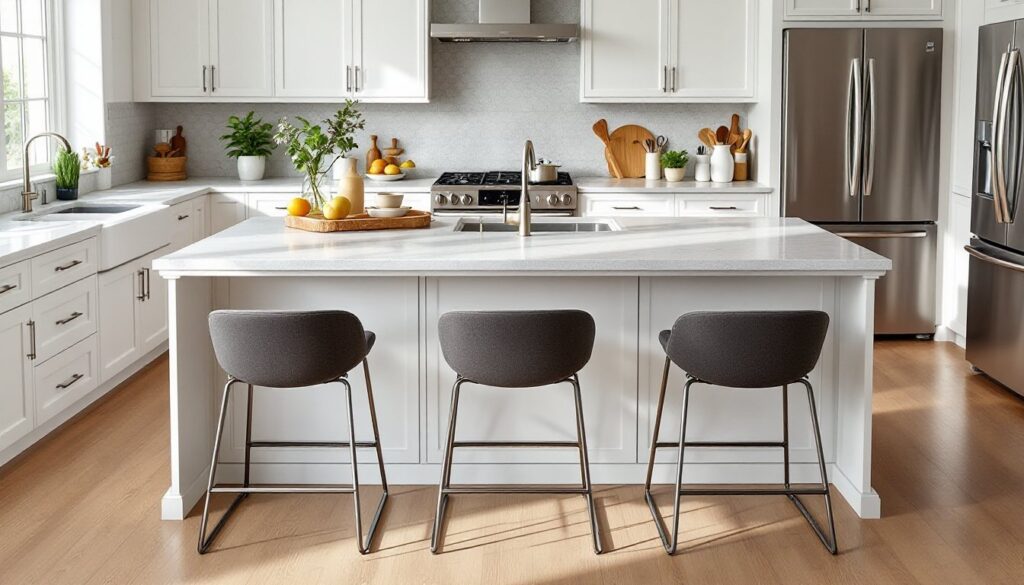
Kitchens benefit from thoughtful adjustments too. Lowering cabinet heights puts everyday items within easy reach. Pull-out shelves and lazy Susans reduce the need to bend or stretch. Lever-style faucet handles work better for hands affected by arthritis than traditional knobs.
Lighting deserves attention throughout the home. Bright, even illumination helps prevent falls and reduces eye strain. Motion-sensor lights in hallways and bathrooms provide convenience during nighttime trips.
Wider doorways accommodate wheelchairs and walkers if mobility needs change over time. This modification requires more investment but pays dividends in long-term accessibility. Ramps at entryways serve a similar purpose for those who struggle with steps.
Smart home technology rounds out the home for retirement ideas for aging in place. Voice-activated assistants can control lights, thermostats, and locks. Medical alert systems provide peace of mind for both retirees and their families. These tools help older adults maintain independence while staying connected to support networks.
Popular Retirement Housing Options to Consider
Retirees today have more housing choices than previous generations. Each option comes with distinct advantages depending on lifestyle preferences, health needs, and budget.
Independent Living Communities
These communities cater to active seniors who want a low-maintenance lifestyle with built-in social opportunities. Residents typically live in apartments, condos, or small homes within a larger complex. Amenities often include fitness centers, pools, dining options, and organized activities. It’s a solid home for retirement ideas choice for those who value community without needing daily assistance.
Continuing Care Retirement Communities (CCRCs)
CCRCs provide a spectrum of care levels on a single campus. Residents can transition from independent living to assisted living to skilled nursing care as their needs evolve. This setup eliminates the stress of finding new accommodations if health declines. The trade-off is typically a higher upfront cost and monthly fees.
55+ Active Adult Communities
These neighborhoods restrict residency to adults over a certain age, usually 55. They offer amenities geared toward active lifestyles, golf courses, tennis courts, clubhouses, and social clubs. Homeowners still handle their own maintenance or pay HOA fees for services. It’s a middle ground between traditional homeownership and full-service retirement living.
Co-Housing and Shared Living
Some retirees explore home for retirement ideas that involve shared spaces. Co-housing communities feature private residences with shared common areas like kitchens, gardens, and recreation rooms. This model fosters connection and mutual support among neighbors. Shared living arrangements, where multiple seniors rent rooms in a single home, offer another budget-friendly alternative.
Budget-Friendly Tips for Your Retirement Home
Retirement often means living on a fixed income. Smart planning helps stretch dollars further without sacrificing comfort or safety.
Start by prioritizing modifications based on immediate needs. A grab bar in the bathroom costs far less than a full renovation. Tackle the most critical safety upgrades first, then address cosmetic improvements over time.
Government programs and nonprofit organizations sometimes offer grants or low-interest loans for home modifications. The U.S. Department of Housing and Urban Development (HUD) provides resources for seniors seeking financial assistance. State and local agencies may have additional programs worth exploring.
Energy efficiency cuts ongoing costs. LED bulbs, programmable thermostats, and proper insulation reduce utility bills month after month. Some utility companies offer rebates for efficiency upgrades, making the initial investment even more affordable.
Consider geographic arbitrage when choosing a retirement location. States without income tax, areas with lower property taxes, or regions with affordable healthcare can significantly reduce living expenses. A little research into cost-of-living differences goes a long way.
For those exploring home for retirement ideas on a tight budget, manufactured homes and modular homes offer quality construction at lower price points than traditional builds. These options have improved dramatically in recent years and now rival site-built homes in durability and design.
Finally, don’t overlook the value of community resources. Senior centers, volunteer organizations, and local churches often provide services like home repairs, transportation, and meal delivery at low or no cost.