Table of Contents
ToggleChoosing a home for retirement tips matters more than most people realize. The right living space can shape health, happiness, and financial security for decades. Yet many retirees rush this decision or overlook key factors that affect their daily lives.
This guide breaks down what every retiree should consider before settling into their next chapter. From mobility needs to budget planning, these practical steps help anyone find a home that works now, and years from now.
Key Takeaways
- Home for retirement tips should prioritize single-level layouts, accessible bathrooms, and flexibility for future mobility and health changes.
- Location matters as much as the property itself—choose a home near healthcare services, daily amenities, and reliable transportation options.
- Calculate true housing costs including taxes, insurance, maintenance, and utilities, not just the mortgage or rent payment.
- Downsizing often improves quality of life by reducing maintenance burdens while freeing up funds for other retirement expenses.
- Make any home retirement-ready with safety modifications like grab bars, better lighting, lever-style handles, and non-slip surfaces.
- Build a financial buffer into your housing budget to handle unexpected repairs or emergencies without stress.
Assess Your Current and Future Needs
Retirement planning starts with an honest look at how life might change. A home that fits perfectly at 65 may feel limiting at 75 or 85.
Think About Mobility and Health
Stairs become harder to manage as joints age. A two-story home might seem fine today, but consider whether it’ll work in ten years. Single-level homes or properties with a main-floor bedroom offer flexibility. Home for retirement tips often focus on layout because it directly affects independence.
Bathrooms deserve special attention. Walk-in showers, grab bars, and wider doorways reduce fall risks. These features don’t need to look clinical, modern designs blend safety with style.
Size Matters
Bigger isn’t always better. Large homes mean more cleaning, higher utility bills, and extra maintenance. Many retirees find that downsizing actually improves their quality of life. Less space to manage means more time for hobbies, travel, and family.
But don’t go too small. Guest rooms for visiting grandchildren or space for a hobby workshop still matter. The sweet spot sits between “too much house” and “not enough room to breathe.”
Plan for Changes
Health needs shift. A spouse might require care. These possibilities should factor into any home decision. Properties with space for live-in help or easy access to medical facilities offer peace of mind. Smart home for retirement tips always account for what might happen, not just what’s happening now.
Consider Location and Accessibility
Where a home sits affects everything from healthcare access to social connections. Location deserves as much thought as the property itself.
Proximity to Services
Hospitals, pharmacies, and doctor’s offices should be reasonably close. A 45-minute drive to the nearest clinic sounds manageable until it becomes a weekly necessity. Grocery stores, banks, and other daily-use services matter too.
Retirees who plan to age in place benefit from neighborhoods with walkable amenities. Being able to stroll to a coffee shop or library keeps people active and engaged. These small conveniences add up to major quality-of-life gains.
Transportation Options
Driving won’t always be an option. Some retirees eventually stop driving due to vision changes or other health factors. Homes near public transit or rideshare services provide backup options. Communities with senior transportation programs offer even more security.
Home for retirement tips frequently overlook this point. But losing mobility shouldn’t mean losing independence.
Climate and Community
Weather affects daily comfort and health. Extreme heat or cold limits outdoor activity and raises utility costs. Many retirees relocate to milder climates for good reason.
Social networks matter equally. Moving far from friends and family can lead to isolation. Some retirees thrive in active adult communities where neighbors share similar interests and life stages. Others prefer staying close to established relationships. Neither approach is wrong, what matters is making a deliberate choice.
Evaluate Financial Factors
A dream home becomes a burden if it strains the budget. Retirement income stays mostly fixed, so housing costs need careful calculation.
Calculate True Costs
Mortgage or rent payments tell only part of the story. Property taxes, homeowner’s insurance, HOA fees, and maintenance all add up. Older homes often need more repairs. A cheaper purchase price might cost more over time.
Utilities vary by location and home design. Energy-efficient properties with modern insulation and windows save money monthly. These savings compound over a 20 or 30-year retirement.
Understand Your Options
Selling a current home frees up equity for retirement expenses. Some retirees downsize and invest the difference. Others use reverse mortgages to access home equity while staying put.
Renting offers flexibility but lacks the equity-building benefits of ownership. Each option suits different situations. Home for retirement tips should match individual financial circumstances, there’s no universal answer.
Build in a Buffer
Unexpected expenses happen. A new roof, major appliance failure, or medical emergency can derail a tight budget. Financial advisors typically recommend keeping three to six months of expenses accessible. Choosing a home that leaves room in the budget provides protection against surprises.
Retirement should feel secure, not stressful. A slightly smaller or less fancy home might deliver more peace of mind than stretching for the maximum affordable option.
Make Your Home Safe and Comfortable
Once a home is chosen, preparation makes it retirement-ready. Small modifications create big improvements in safety and daily comfort.
Address Safety Hazards
Falls cause serious injuries for older adults. Remove tripping hazards like loose rugs and cluttered walkways. Add lighting in hallways, stairways, and bathrooms. Motion-sensor lights work well for nighttime navigation.
Handrails on both sides of stairs provide extra stability. Non-slip mats in showers and bathtubs prevent accidents on wet surfaces. These changes cost little but offer significant protection.
Improve Accessibility
Door handles and faucets with lever-style designs work better for arthritic hands than round knobs. Raised toilet seats and adjustable showerheads make bathrooms easier to use. These home for retirement tips focus on practical daily improvements.
Consider a home security system. Many modern systems include medical alert features and fire detection. They also provide peace of mind for family members who live far away.
Create Comfort
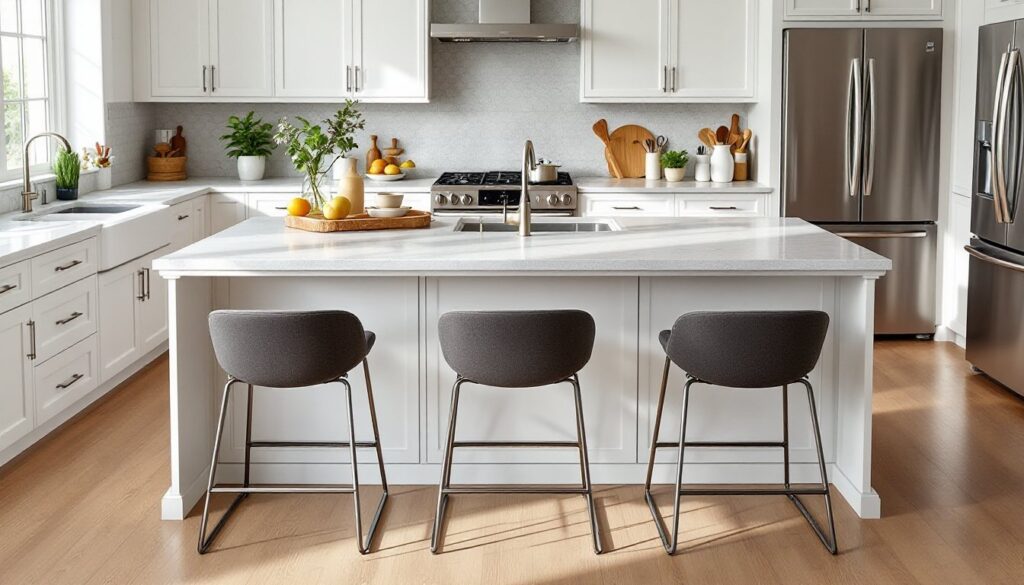
Retirement means spending more time at home. Invest in comfortable furniture, good lighting for reading, and temperature control. A well-organized kitchen with easy-to-reach items makes cooking safer and more enjoyable.
Outdoor spaces matter too. A patio or garden offers exercise opportunities and mental health benefits. Even a small balcony with plants can boost daily wellbeing.