Table of Contents
ToggleWhether you’re tired of tangled cords and wrestling with a bulky upright, or you’re upgrading from an aging canister vacuum, the Inse cordless vacuum cleaner offers a practical middle ground for busy homeowners. These lightweight, battery-powered units have matured significantly in recent years, delivering genuine suction power without the tether. This guide walks you through what sets Inse vacuums apart, how to pick the right model for your home’s needs, and how to keep yours running strong for years to come.
Key Takeaways
- Inse cordless vacuum cleaners deliver 18–25 kPa of suction power with 20–60 minute runtime, balancing practicality and affordability for busy homeowners without premium brand pricing.
- A lightweight 6–8 pound design makes the Inse cordless vacuum ideal for one-handed use on stairs and multiple floor types, while the tangle-free brush roll minimizes pet hair wrapping.
- Choose your Inse model based on home size: small homes need 20–30 minute runtime, medium homes require 40–50 minutes with 20+ kPa suction, and larger homes benefit from 50+ minute runtime and dual-battery options.
- Monthly maintenance—emptying the dustbin, checking the brush roll, and gently tapping the filter—keeps your Inse cordless vacuum running strong for 3–5 years of reliable service.
- Inse offers 85% of Dyson’s performance at 60% of the price, positioning it as the smart mid-market choice for everyday cleaning over budget models or premium brands.
What Makes Inse Cordless Vacuums Stand Out
Inse has carved out a solid reputation in the cordless vacuum market by focusing on practicality over flashy aesthetics. Their machines prioritize powerful suction, lightweight ergonomics, and multi-surface capability, the core features that actually matter when you’re cleaning stairs, hard floors, and carpets in quick succession.
What draws homeowners to Inse specifically is the balance of performance and value. You’re not paying for boutique branding or unnecessary smart features: you’re getting a well-engineered machine that doesn’t require a second mortgage. The brush roll design minimizes tangle issues with pet hair and long fibers, which is a real pain point that many budget-conscious buyers encounter with cheaper alternatives.
These vacuums also excel at edge suction and crevice cleaning, thanks to thoughtful nozzle geometry and brush positioning. They’re not pretending to be robotic mop-vacuums or app-controlled air purifiers, they’re cordless vacuums that do their job without fuss.
Key Features and Specifications You Should Know
Before you choose a model, understand the specs that actually affect cleaning performance.
Suction Power and Motor: Inse rates suction in kPa (kilopascals), typically ranging from 18 to 25 kPa depending on the model. For context, that’s respectable for cordless units and enough to pick up dust, crumbs, pet hair, and fine debris on both hard floors and medium-pile carpet. Don’t expect it to match a plug-in upright on deep pile, but it handles daily messes well.
Bin Capacity: Most Inse models hold 0.5 to 0.7 liters of dust and debris. That’s smaller than upright canisters but means you’ll empty it more frequently, a fair trade-off for cordless convenience. Plan to dump it after vacuuming a 1,500–2,000 square foot home to avoid losing suction.
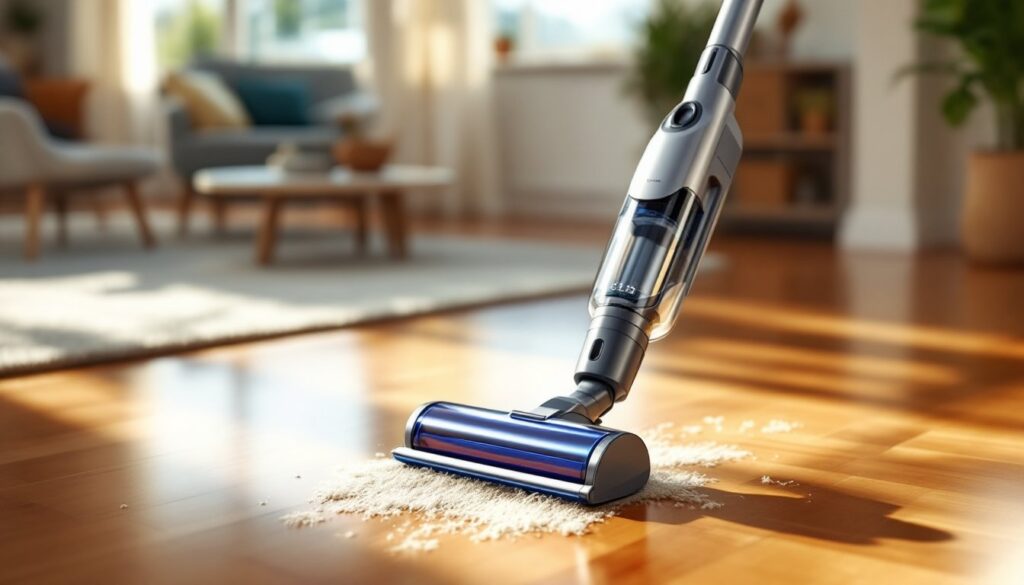
Weight: Cordless appeal hinges on comfort. Inse designs run between 6 to 8 pounds, light enough for one-handed use while pushing, but heavy enough to deliver real engineering (not a toy). That weight matters when you’re cleaning stairs or ceilings.
Filter Type: Most models use HEPA or cyclonic filtration, which traps fine particles and allergens. The filter is washable, which keeps ongoing costs low, just rinse it under water every few weeks and let it dry before reinstalling.
Battery Life and Runtime Performance
This is where cordless vacuums either win or disappoint you. Inse cordless vacuums typically offer 20 to 60 minutes of runtime on a single charge, depending on the model and whether you’re running on standard or max suction mode.
Max mode drains battery faster, expect 20–30 minutes. Standard mode stretches that to 45–60 minutes, which covers most homes without a second charge. The battery takes 4 to 5 hours to recharge fully, so you can’t go back-to-back daily unless you have two batteries (an upgrade option on some models).
For a typical 2,000 square foot home with standard furniture and light pet traffic, 30–40 minutes of standard-mode suction is usually enough. If your home is larger or heavily soiled, factor in charging time or consider a model with a removable, quick-swap battery.
How to Choose the Right Inse Model for Your Home
Inse makes several cordless models at various price points. Here’s how to narrow down:
For Apartments or Small Homes (under 1,000 sq ft): A basic Inse cordless with 20–30 minute runtime and standard suction handles quick cleanups well. You’re paying for convenience over raw power. These models are compact and easy to store in tight spaces.
For Medium Homes with Mixed Flooring (1,000–2,500 sq ft): Look for 40–50 minute runtime and 20+ kPa suction. Confirm the brush roll has pet-hair resistance or a tangle-free design if you have cats or dogs. A model with hardwood-carpet detection helps maintain consistent performance across floor types.
For Larger Homes or Heavy-Duty Use: Choose the highest-end Inse model you can afford. Aim for 50+ minute runtime and 22+ kPa. Consider a dual-battery option if available: you’ll appreciate the continuous runtime when cleaning a full three-story home or dense carpeting.
Check These Before Buying:
- Attachment variety: Most Inse vacuums come with a crevice tool and brush nozzle. Verify if you need upholstery or pet-hair tools, some are sold separately.
- Warranty: Standard is 2 years: longer is worth the premium.
- Weight tolerance: If anyone using it has shoulder or wrist issues, test it in person before committing.
Budget typically ranges from $300 to $700 depending on runtime, suction power, and attachments. Entry models around $350–450 offer solid value for average homes. Higher-end models justify cost through longer battery life and faster charging.
Maintenance and Care Tips for Longevity
Cordless vacuums demand more attention than plug-in models because the battery and motor are more sensitive to dirt and moisture.
Monthly Tasks:
- Empty the dustbin after each use to prevent suction loss.
- Tap the filter gently over a trash can to dislodge surface dust.
- Check the brush roll for hair wrap and pull out any tangles.
Every 3 Months:
- Rinse the filter under cool running water. Do not use hot water, it degrades the HEPA media. Let it air-dry completely (at least 2 hours) before reinstalling.
- Inspect the wheels and undercarriage for debris or blockages.
- Clean the charging contacts with a dry cloth to ensure good electrical connection.
Annually:
- Replace the filter if it no longer rinses clean or shows visible damage (small tears or persistent discoloration).
- Inspect the battery contacts and power connections for corrosion. If you notice slowdown in charging or runtime, the battery may need replacement.
- Review the brush roll bearings for wear: replace if bristles are visibly worn flat or the roll spins unevenly.
Storage Tips:
- Store in a cool, dry place, not a damp basement or hot garage. Batteries degrade faster in extremes.
- Keep the battery charged to about 50% if storing for more than a month.
- Remove and rinse the filter before long-term storage to prevent mold growth.
Inse Cordless Vacuums vs. Other Brands: What You Need to Know
The cordless vacuum market is crowded. Here’s how Inse compares to common alternatives.
vs. Dyson: Dyson machines deliver marginally stronger suction and premium engineering, but you’re paying $200–400 more for the name and design polish. Inse offers 85% of the performance at 60% of the price. Unless you have deep shag carpet or a genuine need for maximum suction, Inse gets the job done without the premium.
vs. Shark: Shark and Inse are surprisingly similar in price and performance. Shark sometimes includes more attachments out of the box: Inse focuses on core suction and reliability. Both are solid mid-market choices. The difference often comes down to personal ergonomics and availability of replacement parts in your area.
vs. Budget Models (Hoover, Bissell entry-tier): Budget cordless vacuums often overpromise on suction and underdeliver on battery life. Inse sits in the sweet spot: a step above the cheapest options but a step below luxury pricing. You’re not gambling with reliability.
vs. Stick Vacuums (Bissell Crosswave, Tineco): Hybrid wet-dry or smart-feature machines appeal to specific niches. If you want just a cordless vacuum for regular cleaning without bells and whistles, Inse is more straightforward and affordable. If you need serious wet-pickup or app monitoring, those specialty brands earn their price.
Worth noting: According to testing by real consumer sources, cordless vacuums with solid suction and simple filters consistently outlast models weighted down with unnecessary technology. Inse’s philosophy aligns with that finding. Home organization experts recommend choosing cleaning tools that you’ll actually use regularly, and a lightweight, easy-to-store cordless model fits that bill for most households. Product testing from trusted home authorities confirms that mid-range cordless vacuums perform admirably for everyday cleaning, with Inse consistently rated for durability and value.
Conclusion
An Inse cordless vacuum isn’t a status symbol or a tech marvel, it’s a hardworking appliance that solves the real problem of cleaning your home without a cord in the way. Pick the model that matches your home’s size and traffic, commit to basic monthly maintenance, and you’ll get solid service for 3–5 years. That’s genuine value.