Table of Contents
ToggleOhio’s tiny home market is heating up. Whether you’re downsizing, looking for an affordable entry point into homeownership, or seeking a sustainable living option, tiny homes for sale in Ohio offer compelling alternatives to traditional housing. From Columbus to Cleveland, builders and dealers are responding to growing demand with diverse inventory, including custom-built options and ready-to-move units. This guide walks you through finding the right tiny home, understanding pricing, financing your purchase, and navigating the buying process in the Buckeye State.
Key Takeaways
- Tiny homes for sale in Ohio range from $50,000 to $250,000+ depending on condition, build type, and location, with Columbus, Cleveland, and Cincinnati leading the market.
- Ohio’s lower cost of living, relaxed zoning laws in major cities, and established construction standards make it an ideal market for affordable and sustainable tiny home ownership.
- Financing a tiny home requires strategic planning since conventional lenders are cautious; explore personal loans, RV financing, or seller financing as alternatives to traditional mortgages.
- Before purchasing, verify zoning compliance, inspect the foundation and structure, confirm utilities and title clarity, and review HOA rules if buying in a tiny home community.
- Tiny homes in Ohio typically span 400–1,000 square feet with modern farmhouse and minimalist designs dominating, featuring open-concept layouts and space-maximizing features.
Why Ohio Is Becoming A Tiny Home Hotspot
Ohio’s appeal to tiny home buyers stems from several practical factors. First, the state’s cost of living is lower than coastal markets, which translates to more affordable tiny home prices and lower property taxes. Second, Ohio’s mixed climate and established construction standards mean builders know how to insulate and weather-seal efficiently for four-season living.
The tiny home movement itself aligns with broader housing trends. Rising construction costs, millennial and Gen X preferences for minimalism, and environmental consciousness have all fueled demand. Ohio municipalities are also becoming more receptive: zoning laws in cities like Columbus, Cleveland, and Cincinnati have relaxed in recent years, allowing tiny homes on smaller lots and in mixed-use developments.
Retirement-focused buyers find Ohio especially appealing. Lower property costs free up retirement funds, and the state’s proximity to urban centers means access to medical facilities and cultural amenities without the price tag of major metropolitan areas. New residents exploring modern architecture and sustainable home design often discover that tiny homes align perfectly with both eco-conscious living and budget-friendly ownership.
Where To Find Tiny Homes For Sale Across Ohio
Top Ohio Cities With Tiny Home Markets
Columbus: Ohio’s capital leads the tiny home charge. The city has relaxed zoning restrictions in neighborhoods like Franklinton and the Near East Side, creating opportunities for both new builds and conversions. Local builders like Blokable and several custom fabricators operate in the area. Many tiny homes for sale in Columbus range from $80,000 to $180,000, depending on finishes and size.
Cleveland: The city’s revitalization efforts have sparked tiny home interest, particularly on the West Side. Several developers have launched communities specifically zoned for compact dwellings. Tiny home builders Ohio–based firms frequently showcase move-in-ready units in industrial-turned-residential zones.
Cincinnati: The greater Cincinnati area, including suburbs like Hyde Park and Northside, supports active tiny home sales. Real estate platforms increasingly feature tiny homes for sale in Ohio’s third-largest metro, with options ranging from urban infill projects to suburban subdivisions.
Beyond these anchors, secondary markets like Akron, Dayton, and Toledo are emerging. Smaller towns often have fewer zoning restrictions, making rural tiny home ownership more feasible. Searching platforms like Zillow, Redfin, and Facebook Marketplace, filtered for “tiny home” or properties under 1,000 square feet, yields decent results. Real estate agents familiar with the niche, check local boards or contact the Ohio Tiny Home Association if it exists in your target city, can also point you toward off-market listings. Discovering real estate trends and architecture features helps you stay informed on regional market shifts and emerging neighborhoods worth watching.
What To Expect: Pricing, Sizes, And Styles
Tiny homes in Ohio typically range from 400 to 1,000 square feet, with most clustered around 600–800 square feet. Pricing varies significantly by location, build quality, and whether you’re buying used or new.
Used Tiny Homes: Expect $50,000 to $120,000. These are often trailers or owner-built structures and may require title transfer or zoning varification. Inspection is critical, check for foundation issues, roof condition, and HVAC systems carefully.
New Builds: Range from $100,000 to $250,000+. Builders usually offer warranties and compliance with current codes. Many come turn-key, with appliances and finishes included.
Prefab / Factory-Built: These sit in the middle, roughly $80,000 to $200,000, and arrive mostly complete. Delivery and setup add costs, typically $5,000 to $15,000.
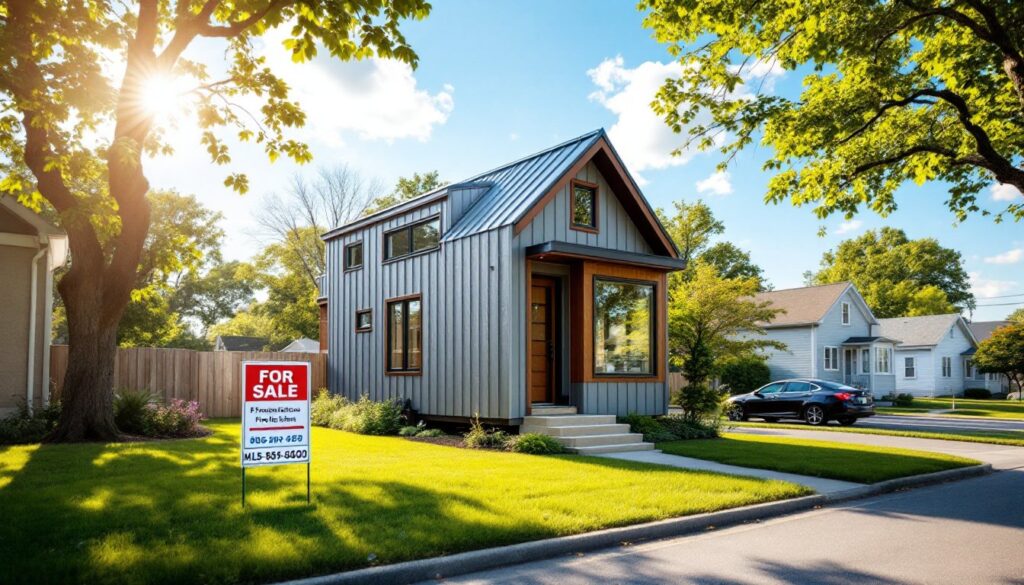
Styles vary too. Modern farmhouse and minimalist designs dominate, though Craftsman, industrial, and cottage aesthetics appear frequently. A tiny home for sale Ohio often features open-concept layouts, lofted bedrooms, and multi-purpose furniture niches to maximize space. Material choices, metal siding versus wood, concrete floors versus hardwood, heavily influence price. Location matters enormously: a tiny home in a desirable Columbus neighborhood commands more than an identical unit on rural acreage.
Smart Financing Strategies For Tiny Home Purchases
Financing a tiny home differs from traditional mortgages and requires strategic planning. Many conventional lenders hesitate to finance homes under 500 square feet due to perceived depreciation risk, which means you’ll likely encounter tighter lending criteria.
Conventional Mortgages: Some banks will finance tiny homes on permanent foundations if you meet standard debt-to-income ratios and the property appraises adequately. Expect a 10–20% down payment requirement and interest rates within normal ranges. Bring documentation of zoning compliance and permanent foundation installation.
Personal Loans: If the lender balks at a mortgage, an unsecured personal loan covers the purchase outright. Rates run higher (6–12%), but terms are faster to close. This works best for buyers with strong credit and sufficient income.
RV or Chattel Loans: For trailer-based tiny homes, some credit unions and specialized lenders offer RV-style financing. These typically carry higher interest rates (8–15%) and shorter terms (10–15 years), but availability is broader.
Seller Financing: Increasingly common in the tiny home market. The seller becomes the lender, letting you pay over time at agreed-upon terms. It sidesteps bank skepticism but requires a solid contract and legal review.
Down payment assistance programs and first-time homebuyer grants in Ohio may apply, check with your county housing authority. Also, tiny home communities sometimes offer in-house financing or partner with preferred lenders, streamlining approval. Build a robust down payment (20%+ if possible) to improve loan terms and demonstrate serious intent.
Essential Steps Before Making Your Offer
Before committing, conduct thorough due diligence. This protects your investment and prevents costly surprises post-purchase.
Zoning and Land Use: Contact your local city or county zoning office. Confirm that tiny homes are permitted on the property. Some areas restrict dwellings under a certain square footage or require them only in designated zones. Get written zoning clearance in writing before proceeding.
Foundation and Structure: Have a licensed inspector examine the foundation type, concrete slab, piers, or trailer frame, and its condition. Cracking, settling, or rot can cost thousands to repair. Ask for a structural engineer’s report if red flags emerge.
Utilities and Infrastructure: Verify that water, sewer, electric, and gas are accessible and adequate. For off-grid or septic properties, ensure permits are current and systems are functioning. Request utility bills from the seller to gauge costs.
Title and Ownership: Ensure the property has clear title and the deed conveys what you believe you’re buying. For trailer-based tiny homes, confirm the title is transferable and not suspended.
Appraisal Readiness: If financing, anticipate appraisal challenges. Some lenders will appraise based on comparable tiny home sales: others use traditional metrics, which may undervalue the property. Gather comps and documentation beforehand. Discovering small space living ideas and budget-friendly makeovers can also help you see the functional value beyond square footage when discussing appraisals with lenders.
HOA or Community Rules: If buying in a tiny home community, review covenants, fees, and restrictions. Some communities have strict design guidelines or prohibit alterations.
Don’t skip the walk-through, bring a home inspection checklist specific to tiny homes (HVAC, roof seals, windows, appliances, plumbing). Test all systems. Ask the seller for maintenance records and warranty documentation.
Conclusion
Buying a tiny home in Ohio is entirely feasible if you enter the process informed and methodical. Research your target cities, understand local zoning, get pre-approved for financing that works for this niche market, and inspect thoroughly. Ohio’s reasonable prices, relaxed regulations in key cities, and growing builder ecosystem make it a strong market for tiny home seekers. Your next step: identify 2–3 target neighborhoods, connect with local real estate agents experienced in tiny homes, and start touring available inventory. The Buckeye State’s tiny home future is now.